
Professor Zhu Shu's Laboratory Welcomes Seven FuSEP Exchange Scholars for Research Activities
The University of Science and Technology of China (USTC) Future Scientist Exchange Program (FuSEP) 2025 Summer Research Plan is currently underway in an orderly manner. The laboratory of Professor Zhu Shu at the School of Life Sciences and Medicine recently welcomed seven international exchange students from seven countries, including Norway, Canada, the United Kingdom, and Singapore. These students will complete a five-week research practicum in the laboratory, gaining an in-depth experience of USTC's academic research environment.
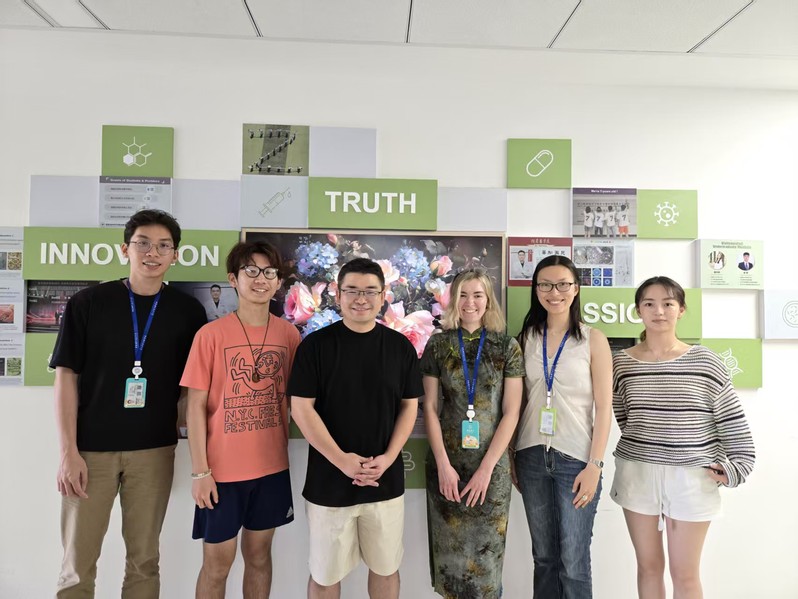
FuSEP exchange scholars and Professor Zhu Shu in a group photo
During the five-week research practicum, the international students systematically participated in cutting-edge immunology research projects in Professor Zhu's laboratory. Under the guidance of laboratory mentors, the students learned key immunological techniques including mouse genotyping, cell culture, flow cytometry, and Western blotting, and completed related experimental operation training. During the weekly laboratory group meetings, the students presented frontier literature and research progress, and engaged in professional discussions with laboratory members on technical issues.
The program included a research achievement presentation session, in which the seven international students transformed their respective research findings into academic posters and participated in the university's international student research achievement exhibition, all receiving favorable results and evaluations. The program also arranged a visit to Hanwei Microbial Technology Company, where students observed the R&D process of immunodiagnostic reagents on site and engaged in professional exchanges with company R&D personnel on technology transfer issues.
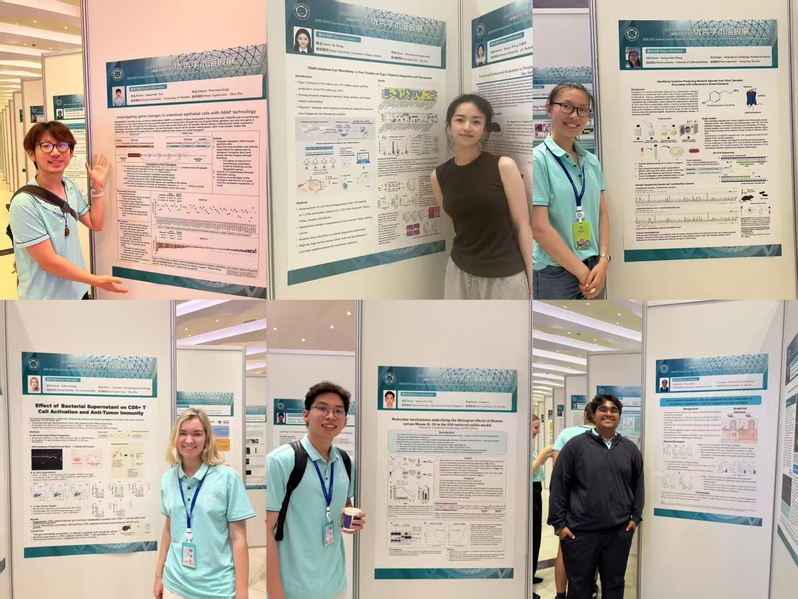
FuSEP exchange scholars presenting their academic achievements
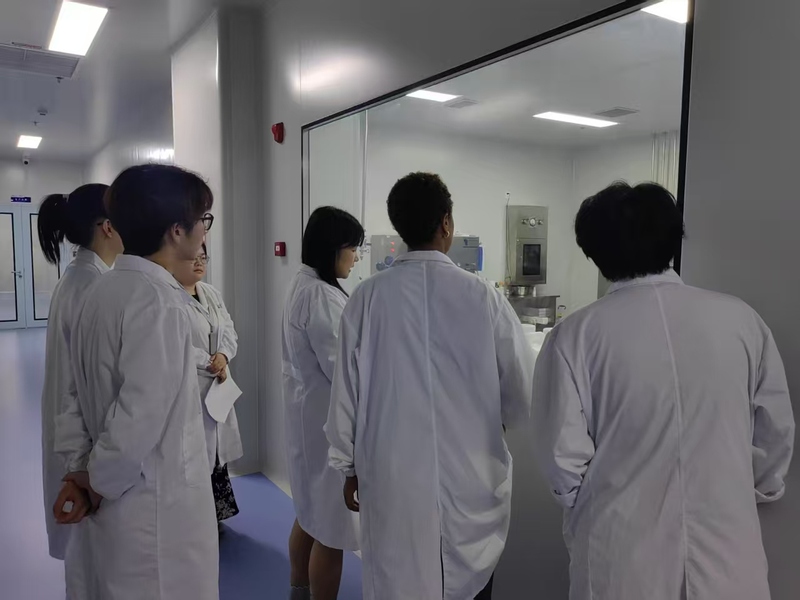
FuSEPexchange scholars visiting Hanwei Company
Beyond academic exchanges, the program also emphasized cultural integration. Faculty and students from the laboratory organized multiple cultural exchange activities, creating a relaxed and natural communication environment for Chinese and international students through group meals, seminars, and other formats. These activities not only enhanced mutual understanding but also laid the foundation for future international collaboration.
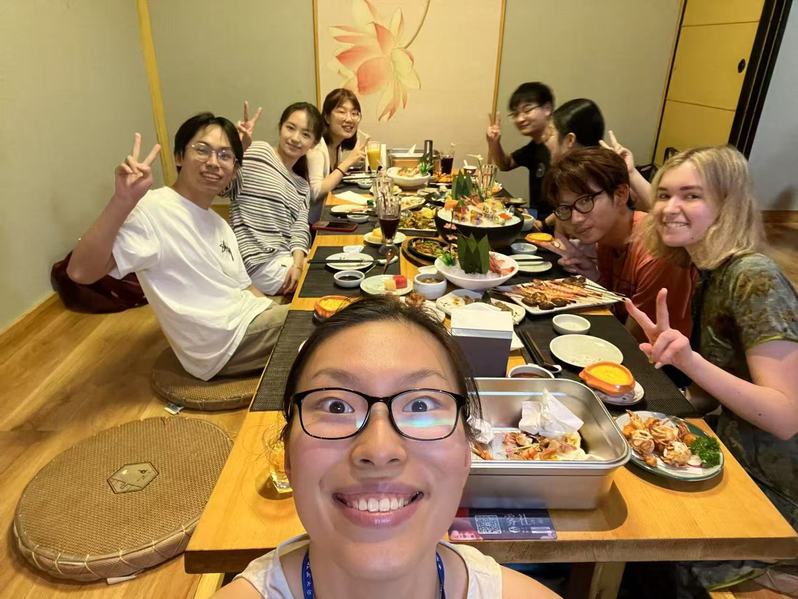
FuSEP exchange scholars and laboratory members at a group dinner
Since its establishment in 2013, the FuSEP program has developed into an academic exchange platform with international influence. Starting in 2024, the program was upgraded from its original short-term summer camp format to a more in-depth research practicum plan, providing participants with more substantial research training opportunities. This year, while maintaining its original features, the program further optimized its support policies, including providing living allowances and other supporting measures to create better research conditions for international students. The FuSEP program will continue to be committed to providing a high-level research practicum platform for outstanding students worldwide, promoting international academic exchange and collaboration.